
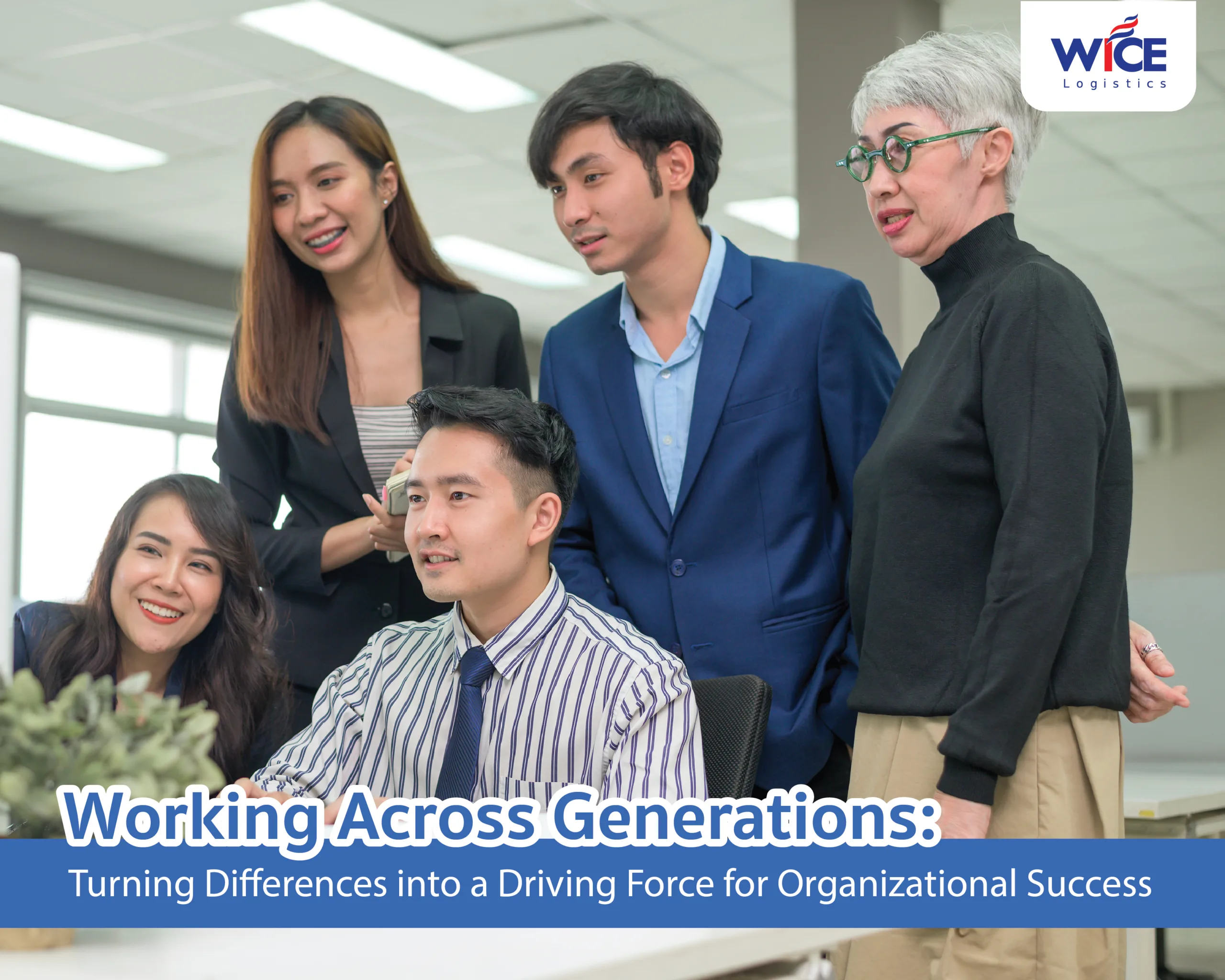
Today’s organizations are entering an era where employees from multiple generations work side by side more than ever before. From Baby Boomers and Generation X to Millennials and Generation Z, many workplaces now bring together four or even five generations within the same organization.
Generational diversity is not a new concept. However, the challenge lies in the fact that each generation has grown up in different social, economic, and technological environments. These experiences shape their perspectives, communication styles, and approaches to work in unique ways.
The key question is no longer which generation performs better, but rather how organizations can create an environment where people of different generations collaborate effectively and thrive together.
When Differences Become a Competitive Advantage
Generational differences are often perceived as a source of workplace conflict. In reality, however, age diversity can become a significant strength for organizations.
Experienced employees bring deep industry knowledge, business insights, and a broader perspective that supports strategic decision-making. At the same time, younger generations contribute fresh ideas, digital expertise, and innovative approaches that help organizations adapt to changing market demands and technological advancements.
When these strengths are combined, organizations can benefit from enhanced creativity, stronger problem-solving capabilities, and more informed decision-making.
How Organizations Can Foster Cross-Generational Collaboration
Create a Culture of Continuous Learning
Organizations should encourage employees of all ages to learn from one another.
Experienced professionals can share valuable business knowledge, relationship management skills, and strategic thinking. Meanwhile, younger employees can introduce emerging technologies, digital tools, and new market trends.
One increasingly popular approach is Reverse Mentoring, where younger employees mentor senior colleagues on topics such as technology, digital transformation, and evolving workplace trends. This practice helps bridge generational gaps while fostering mutual respect and understanding.
Focus on Shared Goals Rather Than Differences
Instead of emphasizing generational labels, organizations should focus on common objectives.
When employees clearly understand their roles, responsibilities, and team goals, age differences become simply another aspect of workplace diversity rather than a barrier to collaboration.
A shared sense of purpose encourages teamwork, strengthens engagement, and aligns employees toward achieving organizational success together.
Create an Environment Where Every Voice Matters
Strong teams are not built because everyone thinks the same way. They are built because everyone feels comfortable sharing their perspectives.
When employees believe their opinions are valued and respected—regardless of age, experience, or position—they are more likely to contribute ideas, collaborate openly, and build trust within the team.
Creating a culture of inclusion and psychological safety enables organizations to harness the full potential of a diverse workforce.
Generational Diversity: An Opportunity for Modern Organizations
For the first time in history, many organizations are managing a workforce that spans up to five generations. As a result, the ability to connect and engage employees from different age groups has become a critical leadership skill.
Successful organizations are not those dominated by a particular generation. Rather, they are the ones that effectively combine the strengths of every generation and create an environment where diverse experiences and perspectives complement one another.
When experience, knowledge, technology, and fresh thinking come together, generational differences cease to be barriers. Instead, they become a powerful force that drives innovation, strengthens collaboration, and helps organizations move confidently into the future.