
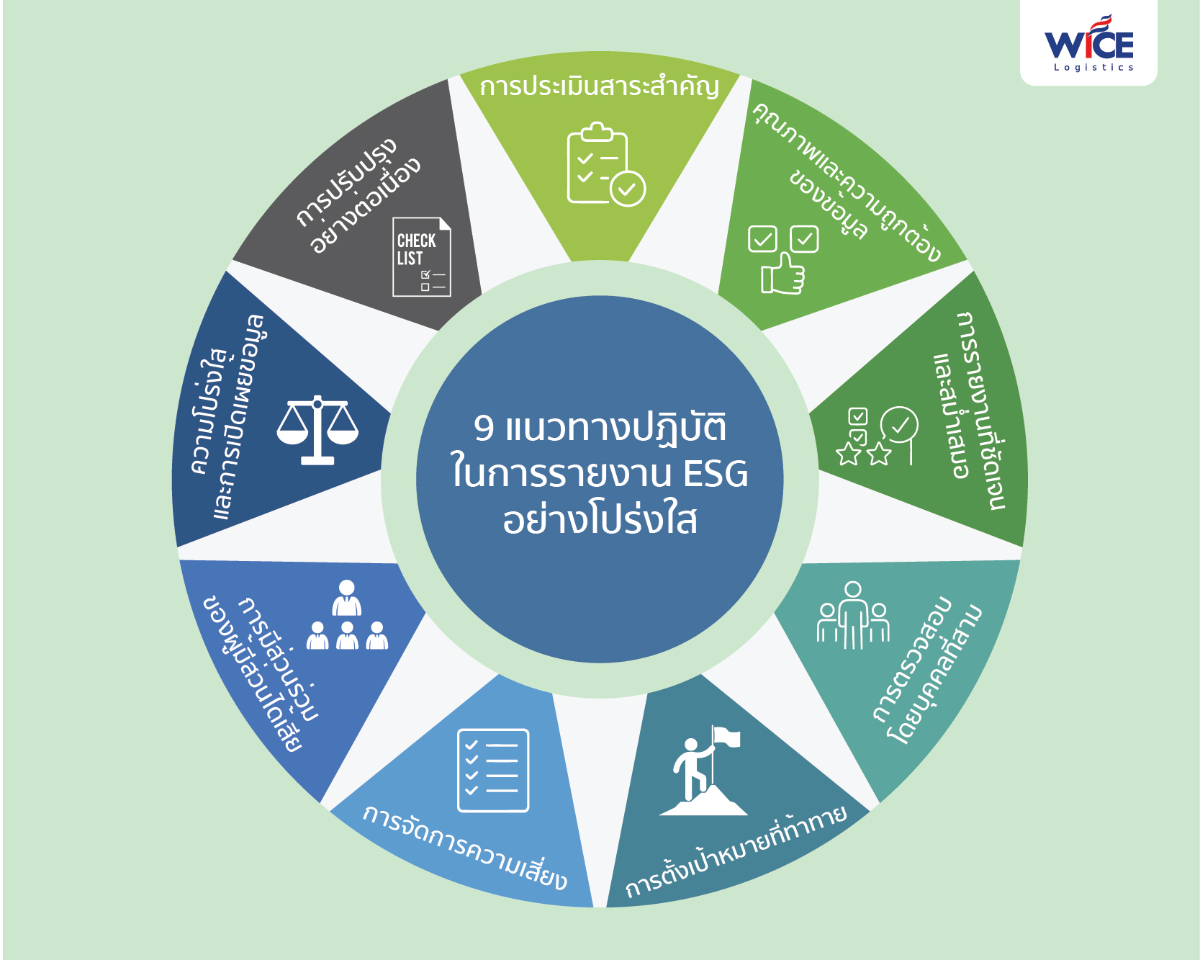
As supply chains become more complex and transparency demands rise, clear ESG (Environmental, Social, and Governance) reporting is key to building trust, preventing greenwashing, and gaining a competitive edge in logistics. Organizations can enhance ESG reporting through 9 key best practices.
1. Materiality Assessment: Companies should identify the most significant ESG issues, such as greenhouse gas emissions from transportation, driver safety, and waste management, and prioritize them based on their impact on financial performance, reputation, and stakeholder relationships.
2. Data Quality and Accuracy: Organizations should collect data from vehicle tracking systems, energy usage, and carbon footprint measurements, ensuring that information is accurate, complete, and regularly updated to maintain credibility.
3. Clear and Consistent Reporting: Use recognized reporting frameworks, such as GRI, SASB, or ISO 14064, to create annual reports that are easy to understand, comparable, and transparent in communicating organizational progress.
4. Third-Party Verification: Engage independent auditors to verify carbon and safety data and obtain certifications from recognized standards such as ISO or EcoVadis to enhance credibility and validate sustainability efforts.
5. Setting Ambitious Targets: Set clear, measurable ESG targets, for example reducing carbon emissions by 30% by 2030, and promote the adoption of electric vehicles and clean energy across logistics operations.
6. Risk Management: Assess ESG-related risks, including climate change, flooding, or supply chain disruptions, and implement contingency plans for transportation routes and business continuity.
7. Stakeholder Engagement: Engage with customers, partners, communities, and employees to gather feedback, and regularly report on progress and sustainability initiatives.
8. Transparency and Disclosure: Disclose both achievements and challenges, such as accident rates or delays in reducing carbon emissions, using clear, unambiguous language to build trust among stakeholders.
9. Continuous Improvement: Regularly review and update ESG strategies and targets while fostering a culture of sustainability at all organizational levels to ensure logistics operations remain transparent, competitive, and sustainable in the long term.